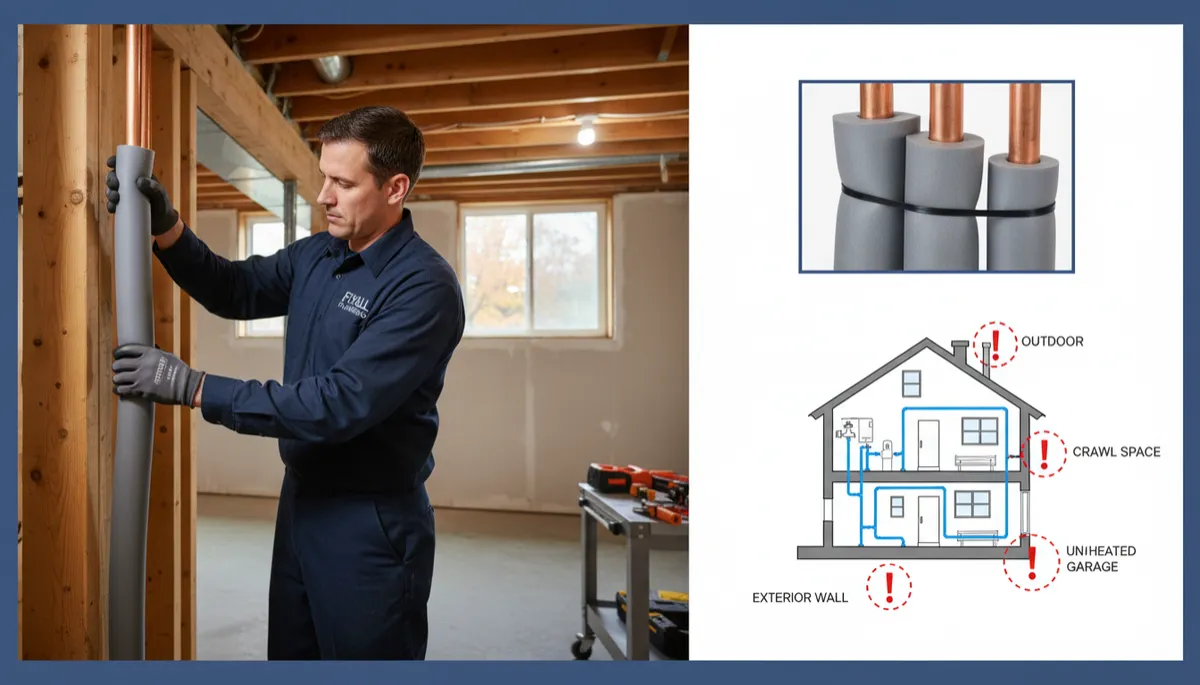
Winterize Your Home's Pipes in New Jersey
Home Maintenance, Plumbing, Winter Preparation
How to Winterize Your Home's Pipes in New Jersey
A step-by-step guide from FIXALL, a licensed master plumbing company to help Monmouth County homeowners protect their plumbing systems before temperatures drop below freezing.
Why New Jersey Winters Put Your Home's Pipes at Risk
After years of serving Monmouth County homes, our licensed team sees the same pattern every winter: a sudden cold snap, followed by a surge of emergency calls for burst pipes. New Jersey winters are unpredictable. One week it is mild and rainy; the next, temperatures plunge into the teens with wind chills well below freezing. That rapid shift is exactly when unprotected plumbing is most vulnerable and why every homeowner should winterize pipes New Jersey well before the first hard freeze arrives.
When water inside your pipes freezes, it expands. That expansion creates intense pressure against the pipe walls, especially in copper and older galvanized lines. Even a small section of ice can cause a pipe to split open, often behind finished walls, above ceilings, or under floors where the damage is not immediately visible. By the time you notice, you may be dealing with soaked insulation, ruined flooring, and potential mold. Effective frozen pipe prevention NJ is far less expensive than repairing water damage after a burst. The good news is that with a systematic approach, you can significantly reduce your risk of frozen pipes in any Monmouth County home, from Keyport and Hazlet to Middletown and Freehold.
Step 1: Identify Indoor Vulnerable Pipes
Start your winter preparation by walking through your home and locating any pipes that run through unheated or poorly insulated areas. These are the lines most likely to freeze during a cold snap. In Monmouth County's older housing stock, especially in coastal towns, it is common to find water lines routed through exterior walls or near drafty foundation areas. Focusing your efforts on these locations is one of the most effective ways to prevent frozen pipes NJ without tearing into finished construction.
Pipes along exterior basement walls, particularly near small windows or vents.
Supply lines running behind kitchen and bathroom cabinets on outside walls.
Pipes in unheated utility rooms, laundry rooms, or over garages.
Once you have identified these vulnerable runs, add pipe insulation Monmouth County style: closed-cell foam sleeves sized to fit snugly over copper or PEX lines. For best results, choose insulation with at least 3/8" wall thickness and seal all seams and joints with quality tape. Pay special attention to elbows, tees, and valves, which are often left partially exposed. In tight cabinet spaces, even small changes help. On the coldest nights, leave cabinet doors under sinks open to allow warm room air to circulate around the pipes, and avoid turning the heat down too low overnight.
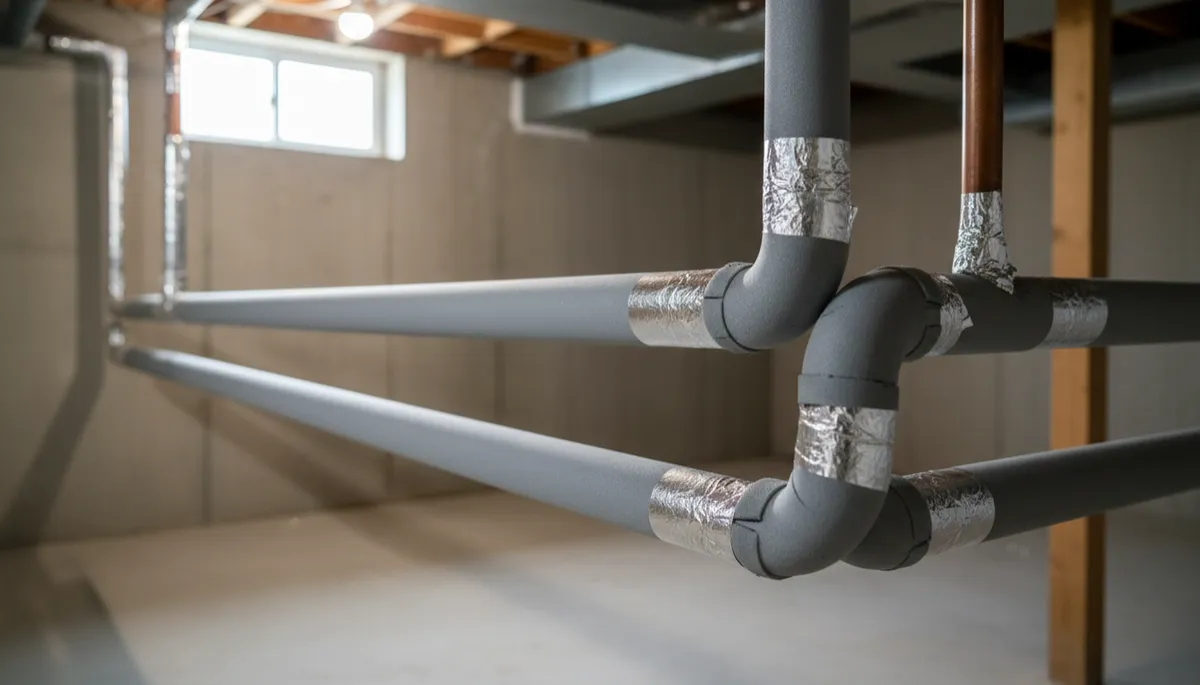
Properly sized foam sleeves dramatically improve indoor pipe freeze protection.
Step 2: Protect Outdoor Spigots and Garden Hoses
Exterior hose bibs are one of the most common sources of winter pipe failures in New Jersey. Many homes in Monmouth County still have older standard spigots that run directly through the wall with no built-in freeze protection. If water is trapped inside that short horizontal section of pipe and the temperature drops, it can split the line inside the wall, often without any visible sign until you turn the spigot on in spring and find water pouring into your basement or crawl space. Thoughtful outdoor preparation is a key part of comprehensive winterize pipes New Jersey planning.
Disconnect and drain every garden hose. Leaving hoses attached traps water in the spigot and supply line.
Locate and close the interior shutoff valve for each exterior spigot, if your home has them. After shutting off, open the outdoor faucet to allow any remaining water to drain out.
Install insulated faucet covers over each spigot. These inexpensive covers add an extra layer of frozen pipe prevention NJ and help block cold air and wind.
If you are planning a plumbing upgrade, consider having a licensed professional install frost-free hose bibs with properly pitched lines and dedicated shutoff valves. When installed correctly, these fixtures drain water away from the coldest part of the wall, greatly reducing freeze risk while still giving you convenient outdoor access in milder seasons.
Step 3: Secure Pipes in Crawl Spaces and Garages
Many Monmouth County homes, particularly in coastal communities like Keyport, Union Beach, and Port Monmouth, are built over crawl spaces or raised foundations. These areas are often vented and exposed to outside air, which means temperatures inside the crawl space can quickly match outdoor conditions on a frigid night. Any water lines running through these spaces are at high risk without proper pipe insulation Monmouth County best practices and air sealing. The same applies to garages that share plumbing with interior spaces, such as bonus rooms or over-garage bathrooms.
Insulate all exposed supply lines with thick foam sleeves or fiberglass wrap rated for cold environments.
Seal obvious air leaks around sill plates, vents, and access doors to reduce wind-driven cold air.
In garages, keep the overhead door closed during cold spells and consider adding a small, safe heat source if critical plumbing runs through the space.
For homes elevated after Superstorm Sandy, pipe winterization Keyport NJ often involves a combination of insulation, rerouting exposed lines, and installing heat cables on the most vulnerable sections. These projects should always be evaluated and performed by a licensed master plumber familiar with local building codes and coastal conditions, ensuring both safety and long-term reliability.
Step 4: Special Winter Prep for Vacant or Vacation Homes
Many Monmouth County properties serve as weekend or summer homes, especially along the Bayshore and oceanfront. These houses are often left unoccupied for long stretches in winter, making them particularly vulnerable to frozen and burst pipes. Without someone on-site to notice a problem quickly, even a small leak can cause extensive damage. Thorough planning is essential if you want to prevent frozen pipes NJ in a vacant or seasonally used property.
Decide whether you will keep the heat on or fully winterize the plumbing. Keeping the thermostat at a consistent 55–60°F can help, but it is not foolproof if there is a power outage or heating system failure.
For full winterization, a professional will shut off the main water supply, drain all fixtures, and blow out lines with air where appropriate. They may also add non-toxic antifreeze to certain drains and traps.
Arrange for periodic property checks during extreme cold events to verify the heat is operating and there are no visible leaks or ice issues.
Properly winterizing a vacant home is not just about turning off valves; it requires an understanding of the entire plumbing layout, including hidden branches, outside showers, and accessory buildings. A licensed plumber can map your system, identify every fixture, and ensure that no section is overlooked, giving you peace of mind when you are away for extended periods.
What to Do If Your Pipes Freeze Anyway
Even with careful planning, an extreme cold snap or unexpected draft can still cause a pipe to freeze. Acting quickly and correctly can minimize damage. The first sign is often reduced or no water flow at a particular faucet, especially one on an exterior wall or upper floor. If you suspect a frozen pipe, remain calm and follow a methodical approach instead of reaching for risky quick fixes.
Open the affected faucet slightly. This relieves pressure and allows water to begin flowing as the ice melts.
Locate the frozen section by feeling along exposed pipes for extremely cold spots or frost. Common locations include basements near foundation vents, crawl spaces, and spots where pipes pass through exterior walls.
Gently warm the area using a hair dryer, portable space heater (kept at a safe distance), or warm towels. Never use open flames, torches, or high-heat devices; they can damage pipes, ignite nearby materials, and void insurance coverage.
If you cannot access the frozen section, or if you notice leaks, bulging pipes, or water suddenly pouring out once the line thaws, shut off the main water supply immediately and contact a licensed plumber. Professional intervention at this stage can limit structural damage and allow for targeted repairs, including replacing compromised sections, adding insulation, and addressing the underlying cause of the freeze.
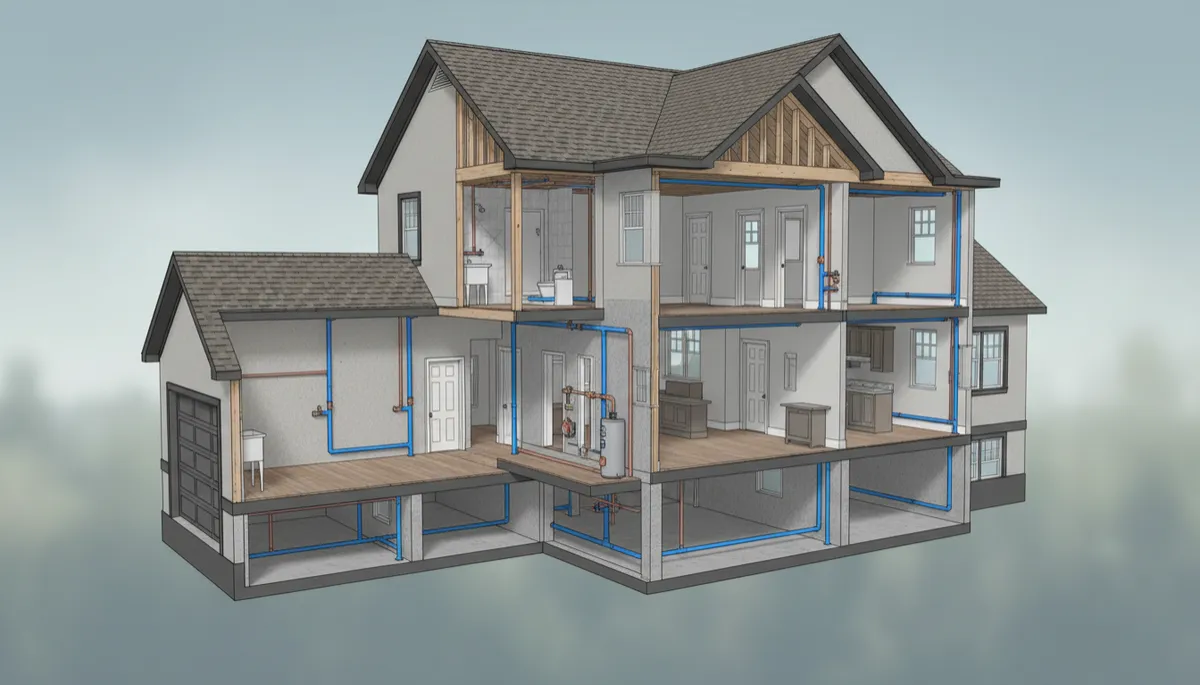
Knowing typical freeze points helps you focus winter protection where it matters most.
Why Professional Winterization Matters for Monmouth County Homes
While many homeowners can handle basic tasks like adding foam sleeves or disconnecting hoses, a full winterization plan benefits from professional expertise. Every home is different. Older shore houses, post-war ranches, and newer colonials each have unique plumbing layouts, materials, and weak points. An NJ licensed master plumber understands how these systems are built locally, how coastal humidity and wind affect them, and which upgrades deliver the best return for long-term frozen pipe prevention NJ.
A professional winterization visit typically includes a full inspection of exposed and accessible piping, evaluation of crawl spaces and garages, testing of shutoff valves, and recommendations for targeted improvements such as rerouting lines, adding heat cables, or upgrading hose bibs. For properties in towns like Keyport, Highlands, or Sea Bright, where elevated structures and open foundations are common, pipe winterization Keyport NJ may also involve designing protective chases or enclosures to shield piping from wind and salt-laden air. These solutions are tailored, code-compliant, and designed to protect not just this winter, but for many seasons ahead.
Beyond technical knowledge, working with a trusted local contractor means you have a partner to call if something does go wrong. If a pipe bursts despite your preparation, a plumber who already knows your system can respond faster, isolate the problem quickly, and restore service with minimal disruption. That continuity of care is especially valuable for busy families, seniors, and owners of multiple properties across Monmouth County.
Call FIXALL Before the First Freeze
New Jersey's first hard freeze often arrives sooner than most homeowners expect, and once temperatures plummet, appointment slots fill quickly. The most reliable way to winterize pipes New Jersey and protect your Monmouth County home is to act now, while there is still time for a thorough inspection and any recommended improvements. Do not wait for a frozen pipe to force an emergency call in the middle of the night or during a holiday weekend when damage can escalate rapidly.
Whether you need help insulating basement lines, securing pipes in a Keyport crawl space, or fully winterizing a vacant shore property, FIXALL Plumbing Heating and Air Condition is ready to assist with professional, code-compliant solutions. Call FIXALL Plumbing Heating and Air Condition at (732) 991-2211 today to schedule your winterization service before the first freeze. A short visit now can save you thousands of dollars in repairs and give you confidence that your home's plumbing is ready for whatever this New Jersey winter brings.

